Life & Wellbeing · Part 1 of 4
When Your Abuser Weaponises Your Appearance: The Hidden Cruelty of Weight, Shame and Coercive Control
Domestic abuse doesn’t always leave visible scars. Sometimes, it leaves you looking in the mirror and struggling to recognise the person staring back at you.
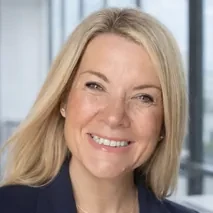
Written by Louise Sherwood, Founder, Empowered Insights
Published 26 October 2026 · 8 minute read
Content note: this personal account talks about domestic abuse, coercive control and verbal abuse about weight, appearance and food. Support details are at the end of the page.
When we talk about domestic abuse, we often talk about physical violence, controlling behaviour, intimidation and the emotional trauma that follows. But there’s another form of cruelty that can be incredibly damaging to a person’s self-esteem: the deliberate targeting of their appearance.
I’m talking about the comments about your weight. The insults about your face. The constant reminders that you’re not attractive enough, not good enough, not worthy enough.
And I’m talking about what happens when the person making those comments is someone you love, someone you trust, someone who is supposed to make you feel safe.
Because when an abuser knows your insecurities, they can use them as weapons.
When your biggest insecurity becomes their favourite weapon
I’ve struggled with my weight, my appearance and my self-esteem. These weren’t things I needed someone else to point out to me. They were personal struggles that I was already navigating.
But my abuser took those vulnerabilities and used them against me.
I was called fat, useless and ugly. I was told that nobody would believe a man like him would be with a fat, ugly woman like me. I was made to feel that my appearance was something shameful, something that diminished my value as a woman and as a person.
The comments became increasingly negative as the abuse continued. It felt as though every argument, every incident and every opportunity to hurt me eventually came back to my weight.
It wasn’t just about how I looked. It was about how I felt about myself.
And when somebody repeatedly attacks the very things you’re already insecure about, the damage can run much deeper than the words themselves.
You begin to question yourself. You start to see yourself through their eyes. You wonder whether they’re right, whether other people think the same things, whether you really are as unattractive and unworthy as they keep telling you.
That’s the insidious nature of emotional abuse. The words don’t simply disappear when the conversation ends. They follow you into the bathroom, into the bedroom, into social situations and into those quiet moments when you’re alone with your own thoughts.
Eventually, you can find yourself repeating the very things your abuser has been telling you.
And that’s a heartbreaking place to be.
The comment about my children that still hurts today
One of the most hurtful things my abuser ever said to me was about my children.
He told me that my children would be embarrassed to be seen with me at the park because I was so fat that I would get stuck in a slide or a swing. He made me imagine my own children being ashamed of their mum because of her size.
Even writing those words now, I can recognise how cruel that was.
Because what is more painful than having somebody attack your appearance? Having them use your love for your children to make that attack even more devastating.
My children were never the problem. My body was never something that made me less deserving of their love. But he found a way to turn something precious to me into another source of shame.
That comment stayed with me. It still hurts today.
And I think it’s important to acknowledge that.
We sometimes talk about abuse as though, once we’re away from the person, we should simply move on. But the reality is that some words become embedded in our memories. They can resurface years later, even when we’ve rebuilt so much of our lives.
You can be strong and still be hurt by something someone said to you years ago.
You can have survived the relationship and still be healing from the things they made you believe about yourself.
Those two things can exist together.
Why do abusers target your appearance?
Coercive control isn’t always about telling someone where they can go or who they can speak to. It can also involve a pattern of behaviour that chips away at their independence, confidence and sense of self.
For some perpetrators, attacking a partner’s appearance becomes another way of exerting control.
They might compare you to other women, criticise what you wear, comment on your weight, ridicule your body or suggest that nobody else would want you.
They might tell you that you’re lucky to have them. That you’re unattractive. That you’re embarrassing. That they could do better.
And when those comments are repeated over time, they can leave you feeling increasingly insecure and dependent on the very person who is hurting you.
The cruel irony is that the person making you feel worthless may also be the person whose approval you find yourself desperately wanting.
You might start changing your appearance to avoid criticism. You might stop wearing clothes you love. You might avoid photographs, social occasions or places where you fear being judged.
You might even start believing that if you could just lose the weight, look different or become more attractive, the abuse would stop.
But here’s the truth: you cannot change your appearance enough to make an abusive person become kind.
You cannot earn respect by becoming smaller. You cannot prevent cruelty by achieving somebody else’s idea of perfection.
And you are not responsible for the way somebody chooses to treat you.
Your body is not the cause of their abuse.
Taking back control: learning to see yourself differently
For me, part of healing has been recognising just how much those comments affected the way I saw myself.
When somebody spends years telling you that you’re ugly, fat, embarrassing and unworthy, learning to challenge those beliefs takes time.
It isn’t as simple as looking in the mirror one morning and deciding to love yourself.
Some days, that feels possible. Other days, those old words can creep back in.
But reclaiming yourself begins with questioning whose voice you’re listening to.
Is that genuinely how you feel about yourself? Or is it something you’ve heard so many times that you’ve started to believe it?
Are you making choices about your body because they make you feel good, or because you’re still trying to prove something to the person who hurt you?
Are you caring for yourself out of love, or punishing yourself because you feel you aren’t good enough?
Those questions matter.
Because taking back your power isn’t about becoming the woman your abuser would approve of. It’s about becoming comfortable being the woman you choose to be.
For some of us, that might mean learning to enjoy clothes again, taking photographs without immediately criticising ourselves, going swimming, dancing, walking or simply allowing ourselves to take up space without feeling ashamed.
For others, it might include changing our eating habits, becoming more active or losing weight because we want to feel healthier, stronger and more comfortable in our bodies.
And there is absolutely nothing wrong with wanting those things.
If losing weight improves your physical health, helps you feel more energetic or supports your mental wellbeing, that can be a positive part of your journey.
But the motivation matters.
You deserve to care for your body because it belongs to you, not because somebody taught you to hate it.
You deserve to make changes without punishing yourself.
And you deserve to understand that your value as a human being has never been measured in pounds, dress sizes or the reflection in a mirror.
You don’t have to hate yourself into becoming someone new
One of the biggest lessons I want other survivors to understand is that healing doesn’t have to begin with self-criticism.
We can spend so long being criticised by somebody else that we unknowingly carry on the job ourselves.
We look in the mirror and pick ourselves apart. We compare ourselves to other women. We feel embarrassed about our bodies. We tell ourselves we’re not good enough.
And sometimes, we don’t even recognise that the way we speak to ourselves has been shaped by the way somebody else spoke to us.
But we can learn a different way.
We can start treating ourselves with the compassion we would offer a friend. We can recognise our achievements without immediately finding something to criticise. We can take care of our health without making our appearance a measure of our worth.
Most importantly, we can stop making our bodies responsible for the cruelty somebody else inflicted on us.
I cannot go back and erase the words that were said to me. I cannot pretend that the comment about my children doesn’t hurt. But I can challenge the meaning I attached to those words.
My children were never going to be ashamed of me because of my weight.
My appearance never made me less deserving of love.
And no amount of criticism could make me the worthless person I was told I was.
Those were his words. They were not my truth.
This is about so much more than weight
I want to talk about this because I know I’m not the only woman who has experienced it.
There will be women reading this who have been criticised about their weight, their skin, their hair, their age, their clothes or the way their bodies have changed after having children.
There will be women who have been compared to other people, made to feel unattractive or told that nobody else would ever want them.
There will be women who are still hearing those comments in their heads long after the relationship has ended.
And there will be women who have started to believe them.
If that’s you, I want you to know something.
You do not have to change your appearance to prove that your abuser was wrong. You do not have to lose weight to deserve respect. You do not have to become somebody else to be worthy of love.
If you want to change something about your appearance, do it for yourself. If you want to improve your health, do it because your wellbeing matters. If you want to learn to love your reflection again, give yourself permission to take that journey at your own pace.
But please don’t let the person who hurt you continue to dictate how you feel about yourself.
Your body is yours.
Your life is yours.
And your future deserves to be shaped by what you want for yourself, not by the cruel things somebody once made you believe.
For me, this is part of turning pain into power. It’s about recognising what happened, understanding the damage it caused and slowly reclaiming the parts of ourselves we were taught to dislike.
I may still have healing to do. Some comments may still hurt. But I am no longer willing to accept somebody else’s cruelty as the truth about who I am.
And neither should you.
You were never the problem because of the way you looked. You were a person who deserved love, kindness, dignity and respect, exactly as you were.
That has always been true. And it always will be.
Sources
About the author: Louise Sherwood
Founder, Empowered Insights
Louise Sherwood is the founder of Empowered Insights, a survivor-led organisation that educates people about domestic abuse, supports survivors and trains the professionals they turn to. Its Reconnect Project gives refurbished phones to survivors through refuge partners. This series is written from her own lived experience.
Louise's profileVisit empoweredinsights.co.ukLinkedInInstagramFacebookWhy Louise founded Empowered Insights
This is a personal account of lived experience, published on Monj with the author's permission. It is not medical or legal advice. If you are worried about your health, eating or weight, speak to your GP or a pharmacist. Monj is an independent price information service run by Medstack Ltd and does not sell, prescribe or supply medicines.