Life & Wellbeing · Part 4 of 4
From Surviving to Thriving: Finding Freedom in My Next Chapter
I didn’t need to change my whole life overnight. I just needed to start making choices for me.
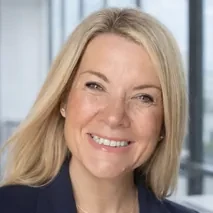
Written by Louise Sherwood, Founder, Empowered Insights
Published 26 October 2026 · 10 minute read
Content note: this personal account talks about domestic abuse, coercive control and verbal abuse about weight, appearance and food. Support details are at the end of the page.
As I’ve moved through my recovery from domestic abuse, coercive control and post-separation abuse, one of the biggest lessons I’ve learnt is that healing doesn’t happen all at once.
There isn’t a magic moment when everything suddenly feels better. There isn’t a perfect day when you wake up, leave the past behind and never look back.
Sometimes, healing happens in the smallest of steps.
It’s in the decisions you make for yourself. The habits you slowly build. The things you begin to enjoy again. And those moments when you suddenly realise that something which once made you anxious no longer has the same hold over you.
For me, that has included my relationship with food, my weight, my health and the way I see myself.
I’ve spent years rebuilding my confidence after being made to feel that I wasn’t good enough. I’ve had to challenge the critical voices in my head, many of which were shaped by the things I was told during my abusive relationship.
And one of the most liberating realisations has been this:
I don’t have to listen to those voices anymore.
I don’t have to hear an old criticism every time I buy something to eat. I don’t have to question whether I’m allowed to enjoy a particular food. I don’t have to feel that somebody else is watching, judging or deciding whether my choices are good enough.
My choices are mine.
And when that really clicks in your head, it can be life-changing.
Small steps, not perfect weeks
For a long time, I think I believed that making a change meant having to get everything right.
The perfect diet. The perfect week. The perfect routine. The determination to do everything at once and never have a bad day.
But life doesn’t work like that, particularly when you’re recovering from years of emotional trauma and trying to manage all the other demands life throws at you.
Some days, you feel motivated and ready to take on the world. Other days, just getting through the day can feel like an achievement in itself.
Add perimenopause, fluctuating anxiety, family responsibilities and the everyday pressures of life into the mix, and it’s easy to understand why looking after yourself can sometimes slip down the priority list.
What I’ve learnt is that I don’t need perfection.
I need a starting point that works for me.
I need manageable steps that fit into my life. I need support that helps me build better habits without making me feel that I’ve failed if everything doesn’t go according to plan.
And I need to remember that one difficult day doesn’t undo all the progress I’ve made.
That shift in thinking has been important in my weight-management journey, but it has also been important in my wider recovery.
Because the more I allow myself to make small, positive changes without criticising myself, the more confident I become in my ability to keep moving forward.
When the right support gives you space to heal
One of the things I’ve found particularly valuable about using a weight-management programme is that it has helped take some of the mental load out of that part of my life.
Rather than constantly having to think about what I should be eating, whether I’m making the right choices or how I’m going to maintain my progress, I have a structure that supports me.
It encourages me to make better food choices with a longer-term goal of losing weight and maintaining a healthy weight.
And that matters because my life is about so much more than weight management.
I have children to raise, goals to work towards, an organisation I’m passionate about building and a future I want to enjoy.
I want to spend my energy on the things that matter to me, rather than getting caught up in a constant battle with food or feeling overwhelmed by trying to work everything out on my own.
Finding something that works for you can create that breathing space.
The right support doesn’t make every decision for you or remove the need to build healthy habits. But it can make those habits easier to develop and maintain.
For me, having a practical way to approach weight management has helped me focus on the bigger picture.
It’s one less area of my life that needs to be driven by anxiety, guilt or overthinking.
And that freedom has value far beyond the numbers on a set of scales.
My progress isn’t measured by a number
Something else I’ve learnt is that the scales don’t have to be the only way I measure progress.
Of course, weight can be a useful measure when weight management is your goal. But it doesn’t tell the whole story of how you’re feeling, what you’re achieving or how your relationship with yourself is changing.
For me, progress has also been about my clothes, my confidence and how I feel when I’m doing the things I love.
It’s about how I feel when I put on my swimwear and feel more comfortable in my body.
It’s about taking photographs with friends and not immediately picking myself apart afterwards.
I used to be so quick to analyse photographs, focusing on everything I didn’t like about myself. I’d notice the things I thought looked wrong rather than enjoying the moment captured in the picture.
Now, when I feel happier and more confident in how I look, I find myself doing that less.
I can enjoy the photograph. I can see the person in it rather than immediately searching for flaws.
And I can appreciate that I’m there, making memories, enjoying my life and feeling more comfortable being seen.
That might sound like a small thing to somebody else, but it means something to me.
After years of having my appearance used against me, being able to look at a photograph and feel good about myself is a little victory.
And I’m learning to celebrate those victories.
Not because I need to look a certain way to deserve happiness, but because I want to enjoy the way I feel about myself.
Learning to trust my own voice again
I think one of the most damaging effects of coercive control is the way it can undermine your confidence in your own judgement.
When you’ve spent years being criticised, questioned or made to feel that your decisions are wrong, you can become accustomed to second-guessing yourself.
You can start looking for approval before making even the simplest choices.
And sometimes, even when the person who controlled you is no longer part of your everyday life, those old patterns can remain.
You might still hear their criticism in your head.
You might still feel guilty for putting yourself first.
You might still question whether you’re doing enough or whether you deserve to feel proud of yourself.
Rebuilding that trust takes time.
For me, making choices about my health and wellbeing has become one way of practising that trust.
I decide what I want to work towards. I find the tools and support that suit me. I learn what helps me feel healthier and stronger, and I make adjustments when something isn’t working.
I don’t have to get everything right to be making progress.
I don’t have to ask anybody else whether my goals are worthwhile.
And I don’t have to criticise myself into changing.
I can encourage myself instead.
I can recognise when I’ve done well. I can learn from a difficult week without turning it into a reason to give up. I can celebrate how far I’ve come without immediately finding something else to be unhappy about.
That is a very different way of living.
And it is a freedom I want to keep building.
Your next chapter doesn’t have to look like anybody else’s
If there’s one thing I would say to somebody who is beginning their own weight-management journey, particularly if they’re also recovering from a difficult relationship, it’s this:
Please don’t turn your recovery into another reason to be hard on yourself.
You don’t need to change everything at once.
You don’t need to follow somebody else’s routine if it doesn’t work for your life.
You don’t need to reach a particular weight before you’re allowed to feel confident, attractive or proud of yourself.
And you don’t need to prove anything to the person who made you feel inadequate.
Your journey belongs to you.
For some people, that might mean focusing on nutrition. For others, it might mean finding an activity they enjoy, developing a regular routine, getting support with emotional eating or working with a health professional to understand what their body needs.
It might mean using an app or programme that provides structure, encouragement and practical ways to track progress.
The important thing is finding an approach that supports your health, fits your circumstances and helps you build habits you can sustain.
There will be good weeks and difficult weeks. There will be times when you feel motivated and times when you need to give yourself a little more grace.
That doesn’t mean you’re failing.
It means you’re human.
And every small step you take towards looking after yourself is worth recognising.
This is about more than weight loss
For me, taking control of my weight and health has been about much more than how I look.
It’s about wanting to remain active for my children. It’s about feeling stronger in my body, supporting my long-term health and enjoying the things that make me happy, including swimming.
It’s about managing my wellbeing through perimenopause and recognising that my physical and mental health are connected.
And yes, it’s about feeling happier when I look in the mirror.
I’m allowed to want that.
I’m allowed to enjoy feeling healthier and more confident.
But the biggest change has been understanding that I can make those choices because I want to, rather than because I feel I have something to prove.
My body is mine.
My choices are mine.
And my future is mine to shape.
I don’t have to keep living according to the criticisms I experienced in the past. I can acknowledge what happened without allowing it to determine every decision I make today.
I can build habits that support the person I want to become.
I can seek support without feeling weak.
I can celebrate progress without demanding perfection.
And I can be proud of myself for taking steps towards a healthier, happier future.
From surviving to thriving
When I look back at how far I’ve come, I recognise that healing has been made up of countless small steps.
Some have been difficult. Some have been empowering. Some have been so ordinary that I probably didn’t appreciate their significance at the time.
But together, they have helped me rebuild my confidence and begin to trust myself again.
I’ve learnt that I don’t have to make every change at once.
I’ve learnt that the right support can make a difficult journey feel more manageable.
I’ve learnt that progress can be measured in more ways than one.
And I’ve learnt that I can make decisions about my body and my health without allowing somebody else’s criticism to dictate how I feel.
That is what freedom looks like for me now.
Not perfection. Not having everything figured out. Not never struggling again.
It’s having the confidence to make my own choices, the compassion to recognise my progress and the determination to keep moving forward.
If you’re reading this and beginning your own journey, I hope you give yourself permission to start small.
Find what works for you. Get the support you need. Celebrate the things you’re doing well.
And remember that you don’t have to wait until you reach your goal to recognise the value of what you’re doing today.
You are allowed to feel proud of yourself now.
You are allowed to look after yourself now.
And you are allowed to build a future that feels different from your past.
I’m not trying to become the woman somebody else wanted me to be. I’m learning to become the woman I want to be.
And after everything I’ve been through, that feels like the beginning of a very different chapter.
My next chapter.
One built on healthier choices, self-belief, freedom and the understanding that I deserve to feel good about the life I’m creating.
I’m moving forward, one step at a time.
And this time, I’m doing it for me.
About the author: Louise Sherwood
Founder, Empowered Insights
Louise Sherwood is the founder of Empowered Insights, a survivor-led organisation that educates people about domestic abuse, supports survivors and trains the professionals they turn to. Its Reconnect Project gives refurbished phones to survivors through refuge partners. This series is written from her own lived experience.
Louise's profileVisit empoweredinsights.co.ukLinkedInInstagramFacebookWhy Louise founded Empowered Insights
This is a personal account of lived experience, published on Monj with the author's permission. It is not medical or legal advice. If you are worried about your health, eating or weight, speak to your GP or a pharmacist. Monj is an independent price information service run by Medstack Ltd and does not sell, prescribe or supply medicines.