Life & Wellbeing · Part 3 of 4
My Surviving Era: Reclaiming My Body, My Health and My Happiness After Abuse
This isn’t about becoming a smaller version of myself. It’s about becoming stronger, healthier and happier in the life I’m building.
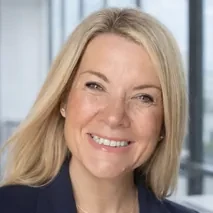
Written by Louise Sherwood, Founder, Empowered Insights
Published 26 October 2026 · 12 minute read
Content note: this personal account talks about domestic abuse, coercive control and verbal abuse about weight, appearance and food. Support details are at the end of the page.
For years, my relationship with my body, my weight and my self-esteem was affected by the abuse I experienced.
I’ve spoken about how my abuser used my appearance against me, how he made me feel ashamed of my body and how food became another area of my life where I felt judged, criticised and controlled.
But this blog is about a different chapter.
This is about my surviving era. My healing space. The part of my journey where I started to realise that looking after myself wasn’t selfish, superficial or simply about how I looked.
It was about my health. My future. My children. My mental wellbeing. And my determination to build a life in which I felt good about the person I was becoming.
Because after everything I’ve experienced, I want more than simply surviving.
I want to feel alive. I want to feel strong. I want to feel confident in my body and happy in my own skin.
And for me, taking back control of my health has become an important part of that journey.
It stopped being about what I looked like
For a long time, weight and appearance were associated with criticism, shame and some incredibly hurtful memories.
When somebody has spent years making negative comments about your body, it’s easy for the subject of weight to become emotionally complicated.
You can find yourself wanting to change your appearance while also carrying the painful memories of why you started questioning it in the first place.
But something changed for me as I began to think more seriously about my health.
I started looking beyond the cosmetic side of weight management.
I began thinking about my future, my mobility, my joints and my ability to remain active as I get older.
I thought about my children and how much I want to be able to enjoy life with them. I want to walk, swim, be active, make memories and participate in their lives without feeling that my physical health is holding me back.
I want to look after the body that has carried me through some incredibly difficult years.
And as I approached perimenopause, those considerations became even more important.
This wasn’t about trying to achieve somebody else’s ideal body. It was about thinking about the woman I am now and the woman I want to be in the years ahead.
I want to feel physically capable. I want to protect my long-term health as best I can. I want to feel comfortable moving my body and confident in what it can do.
Most importantly, I want my choices to come from a place of love and respect for myself.
Not punishment.
Not shame.
And certainly not a desire to prove anything to the person who hurt me.
Perimenopause: another layer to navigate
As if recovering from years of abuse wasn’t enough, navigating perimenopause has brought another layer of complexity to my wellbeing.
And I think it’s important that we talk about this, particularly as women who are rebuilding their lives after trauma.
Perimenopause is the transition leading up to menopause, during which hormone levels fluctuate. It can affect women in very different ways.
For some, the changes are manageable. For others, they can feel overwhelming.
Anxiety, low mood, irritability, disrupted sleep, difficulty concentrating, changes in weight and muscle and joint aches can all be part of the experience. Hormonal changes, alongside poor sleep and the other demands of life, can make emotional wellbeing harder to manage. The NHS guide to menopause and perimenopause symptoms explains these changes in more detail.
For me, anxiety has been a significant challenge.
When you’ve already spent years dealing with the psychological effects of domestic abuse and post-separation abuse, another period of emotional and physical change can feel like a lot to carry.
You might be trying to rebuild your confidence, manage your responsibilities, work towards your goals and feel positive about the future, while your body seems to be doing things you don’t entirely understand.
There can be days when you feel strong and capable, followed by days when your anxiety feels overwhelming.
And when your confidence is already something you’ve had to work hard to rebuild, those fluctuations can be frustrating.
I’ve had to recognise that looking after myself means paying attention to more than my weight.
It means paying attention to my sleep, my nutrition, my activity levels, my mental health and the support I need.
It means understanding that I can’t always expect myself to operate at the same level every single day.
And it means giving myself permission to find ways of supporting my wellbeing rather than criticising myself when things feel difficult.
I’m learning that caring for myself is not a luxury. It’s part of how I build a sustainable, healthier future.
Finding the right support made a difference
One of the things I’ve learned is that I don’t have to do everything through willpower alone.
For me, having support and practical tools around weight management has been important.
Online apps, tracking tools, a regular gym routine and ways of monitoring my progress have helped me introduce more structure and consistency into my approach.
Having something practical to work with can make a difference when you’re trying to establish new habits.
It can help you recognise patterns, plan ahead, celebrate progress and feel that you’re working towards something tangible.
And I think that sense of progress matters enormously when you’re recovering from an experience that may have left you feeling powerless.
Abuse can take away your sense of control over so many areas of your life. Rebuilding that sense of control doesn’t always begin with something dramatic.
Sometimes, it starts with setting yourself a manageable goal.
Sometimes, it’s preparing a nutritious meal, going to the gym when you don’t particularly feel like it or making time for yourself when your instinct is to put everybody else first.
Sometimes, it’s looking back at what you’ve achieved and realising that you are making progress, even if it isn’t happening as quickly as you’d hoped.
The right support helps make those small steps more sustainable.
For me, the key is finding tools that encourage me rather than make me feel guilty. I don’t want another voice telling me that I’m not good enough. I’ve had enough of that.
I want support that helps me understand my body, develop healthier habits and celebrate what I can do.
Because this time, I’m doing it for me.
Swimming: where I feel my strength returning
If there’s one form of exercise that holds a special place in my heart, it’s swimming.
Swimming is my passion.
There is something about being in the water, moving my body and concentrating on what I can achieve that gives me a different kind of perspective.
It isn’t simply about calories, weight or the numbers on a set of scales.
It’s about feeling my body work.
It’s about recognising that I can become stronger, that I can challenge myself and that I can do something positive for my health.
And I’ve noticed something important about the connection between my physical and mental wellbeing.
When I feel my body becoming stronger, I feel that my mind can cope with more, too.
That doesn’t mean swimming makes every difficult thought disappear or that exercise can cure the effects of trauma. But it gives me something constructive to focus on. It gives me a sense of achievement and helps me feel that I’m actively investing in myself.
When I’m feeling physically stronger, I often feel more confident in my ability to face life’s challenges.
When I have done something positive for myself, I can carry that feeling into other parts of my day.
And when anxiety has made everything feel difficult, having an activity that I enjoy and can return to gives me something familiar to hold on to.
I also want to be able to keep swimming, walking and enjoying physical activity as I get older. Maintaining strength, mobility and overall fitness matters to me because I want to remain active for myself and my children.
Swimming is one part of that picture. Strength-building and other suitable weight-bearing activities can also support bone health as women move through menopause. The NHS guide to things you can do for menopause and perimenopause symptoms offers further guidance.
But for me, the biggest benefit is the feeling that I am doing something positive for my body rather than fighting against it.
My body is not my enemy.
It’s the body that has carried me through my experiences, raised my children and brought me to this point in my life.
I want to treat it accordingly.
Nutrition, nourishment and feeling good again
Alongside exercise, nutrition has become an important part of how I look after myself.
Eating well isn’t about following a perfect diet or being restrictive for the sake of losing weight.
It’s about nourishing my body, giving myself the energy I need and making choices that support my health.
I have found that paying attention to the food I eat and developing healthier routines has helped me feel more in control of my wellbeing.
A balanced approach to nutrition, with a variety of foods and enough nutrients to meet your needs, can support energy, general health and long-term wellbeing. During perimenopause, paying attention to bone health, including adequate calcium and vitamin D, can also be important.
I’ve also explored supplements and tools to support my approach.
I think it’s worth acknowledging that there isn’t one magic supplement or formula that works for everyone. What our bodies need depends on our individual circumstances, and supplements are not a substitute for a balanced diet or appropriate medical care.
I want to make informed choices about what I’m putting into my body, rather than feeling pressured to buy something because it’s marketed as a quick fix. It’s sensible to discuss supplements with a GP or pharmacist, particularly if you’re taking medication or considering products marketed specifically for menopause. The NHS page on menopause treatment explains why safety and effectiveness matter.
What has been valuable for me is the wider routine: thinking about what I eat, moving my body, using the tools that help me stay consistent and paying attention to how I feel.
It’s about finding a way of looking after myself that I can sustain.
And it’s about recognising that I am worth that investment.
When I feel good, I carry myself differently
I want to be honest about something else, because I think women sometimes feel they aren’t allowed to say it.
When I feel good about how I look, my confidence improves.
When I feel that my clothes fit comfortably, that I look healthier and that I’m making progress towards my goals, I feel better about myself.
And when I feel better about myself, that can have a positive effect on my mental wellbeing.
I don’t think there’s anything wrong with acknowledging that.
We can recognise that our worth is not determined by our appearance while also acknowledging that feeling comfortable in our bodies can affect our confidence.
Both things can be true.
After years of having my appearance criticised and my self-esteem undermined, being able to look at myself and feel happier is meaningful.
But the difference now is that I’m learning to separate how I feel about myself from what somebody else might think.
I don’t need another person’s approval to feel good about my body.
I don’t need to meet somebody else’s expectations to feel attractive.
And I don’t need to reach a particular weight before I’m allowed to feel proud of myself.
I can celebrate feeling stronger. I can celebrate healthier habits. I can enjoy looking in the mirror and feeling good about what I see.
I can also have difficult days without deciding that I’ve failed.
That, to me, is a healthier relationship with myself.
It’s not about demanding perfection. It’s about giving myself permission to feel good.
Reclaiming my body is part of reclaiming my power
When you’ve experienced coercive control, you can spend years feeling that your life is being shaped by somebody else’s demands, expectations and behaviour.
You may lose confidence in your own judgement. You may struggle to prioritise your needs. You may become so accustomed to putting other people first that looking after yourself feels unfamiliar.
And when the abuse ends, rebuilding your life can involve learning to make choices for yourself again.
For me, taking control of my health has become one of those choices.
I can decide to go swimming.
I can decide to attend the gym.
I can decide to learn more about nutrition, use an app to support my goals or seek professional advice about my health.
I can decide that I want to feel stronger and more mobile as I get older.
I can decide that my future matters.
These decisions may seem ordinary, but they represent something important to me: I am allowed to put myself back on my own priority list.
I am allowed to invest time in my health.
I am allowed to have goals that are just for me.
I am allowed to want to look good, feel good and enjoy the body I live in.
And I am allowed to do those things without feeling guilty.
I don’t have to earn the right to care for myself by doing everything for everybody else first.
I don’t have to wait until I’m completely healed before I start building healthier habits.
And I don’t have to be at the end of my journey to recognise how far I’ve come.
Recovery isn’t a straight line. There are still challenges, and there are still days when anxiety feels difficult to manage. Physical health and emotional wellbeing are both ongoing journeys.
But I am learning to see the small steps as part of something much bigger.
Every time I make a choice that supports my wellbeing, I’m reminding myself that my life belongs to me.
My surviving era is about living, not just surviving
I have spent years navigating the consequences of domestic abuse and post-separation abuse.
I know what it feels like to have your confidence damaged, your choices restricted and your sense of self challenged.
I also know that rebuilding your life can involve rediscovering parts of yourself that you thought had been lost.
For me, looking after my health has become part of that rediscovery.
It’s about wanting to be active for my children.
It’s about thinking about my joints, my mobility and my future.
It’s about navigating perimenopause with greater awareness of what my body needs.
It’s about finding support, using practical tools and building routines that help me feel stronger.
It’s about swimming, feeling my body becoming more capable and recognising the connection between that feeling and my mental resilience.
And yes, it’s about feeling happier when I look in the mirror.
Because I want to feel good about myself.
I want to feel confident, healthy and empowered.
I want to enjoy my life without the words of somebody who hurt me continuing to dictate how I see myself.
And I want to keep building a future in which my choices are driven by what matters to me.
I am not doing this because I owe anybody a different version of myself.
I am doing it because I owe myself the opportunity to live well.
This is my surviving era. This is my healing space. And this is me learning that caring for myself is not vanity, weakness or selfishness. It’s an investment in the life I still have ahead of me.
I’m not chasing perfection.
I’m choosing progress.
I’m choosing strength.
I’m choosing to look after the woman I am becoming.
And after everything I’ve been through, I think that is something worth celebrating.
Sources
About the author: Louise Sherwood
Founder, Empowered Insights
Louise Sherwood is the founder of Empowered Insights, a survivor-led organisation that educates people about domestic abuse, supports survivors and trains the professionals they turn to. Its Reconnect Project gives refurbished phones to survivors through refuge partners. This series is written from her own lived experience.
Louise's profileVisit empoweredinsights.co.ukLinkedInInstagramFacebookWhy Louise founded Empowered Insights
This is a personal account of lived experience, published on Monj with the author's permission. It is not medical or legal advice. If you are worried about your health, eating or weight, speak to your GP or a pharmacist. Monj is an independent price information service run by Medstack Ltd and does not sell, prescribe or supply medicines.